
Songs of tragedy, death at sea or on land, in mines or wars, play a prominent part in folk music.
in 1889 the east coast of England was battered by what has been called a freak storm but is now more likely to be known as an extreme weather event. (Far right climate change sceptics would say it’s just the weather.)
Up to 70 men and boys were lost off Grimsby, virtually wiping out the port’s fishing fleet. There was also significant loss of life along a large stretch of England’s eastern coast, “from Yarmouth down to Scarborough” as the song puts it.

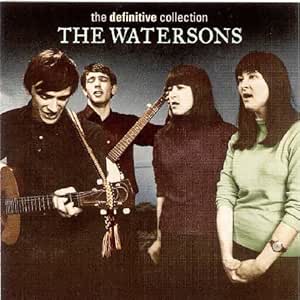
The Watersons. Later than the 1965 Three Score and Ten original, with Norma Waterson’s husband Martin Carthy included
Afterwards, a fisherman called William Delf wrote a poem to be sold in broadside form to raise money for the families of victims. At some later date, fine words (and some additions) were put to a quite beautiful melody. A compelling theory is that the tune was composed by Mike Waterson, a member of the near-legendary family group from Hull.
It is a great song and the Watersons sang it with the glorious harmonies and unrestrained passion we associate with them. But their version, good as it is, was in my opinion bettered by, of all artists, an American.

Gordon Bok, from his website
Gordon Bok from Maine, now 85 but still active in folk music, has the richest of baritones and a lifelong knowledge of the sea and the people who earn their livings from it, onshore and offshore.
He is ably accompanied by Ann Mayo Muir and Ed Trickett. The song is desperately sad but both the Wateeaons and Bok turn it into a fitting memorial to those who lost their lives.
Gordon Bok, from his website
Cover Story works best if it concentrates on two or three versions. But this song has also been recorded by the Dubliners, Johnny McEvoy, Louis Killen, the Longest Johns,the Clancy Brothers, Isla St Clair and many others. Easily located at YouTube.
One correction to the lyrics, the disaster did not happen on October 1889 – perhaps preferred for smoother scanning – but in February. Just under four months later, a far more deadly event occurred in Johnstown, Pennsylvania, where more than 2,200 people died after a damn burst. There’s a song about that, too.
And four years after that, William Delf, the fisherman who wrote the greatest song known to me about “those who perish on the sea”, also died. Lost at sea.
- Cover Story is Salut! Folk’s extensive series comparing different versions of the same songs. Check out previous instalments at this link.
See also:
*,The Watersons on the Road: the priceless 1966 documentary

Leave a Reply